Domains & Iconography
Domains: sun, Akhetaten, kingship
Iconography: sun disk, rays ending in hands
Form
The British Museum's schools overview describes the Aten as a solar god, often a sun disk whose rays end in hands, and as a giver of life, light, energy, and food.
Amarna
UCLA's article on Tell el-Amarna identifies the site as Akhetaten, the New Kingdom city Akhenaten founded around 1347 B.C.E. as the cult home for the Aten. The British Museum overview states that during his reign the Aten became the main god, that he banned the worship of other gods, and that the cult was not widely kept after his death.
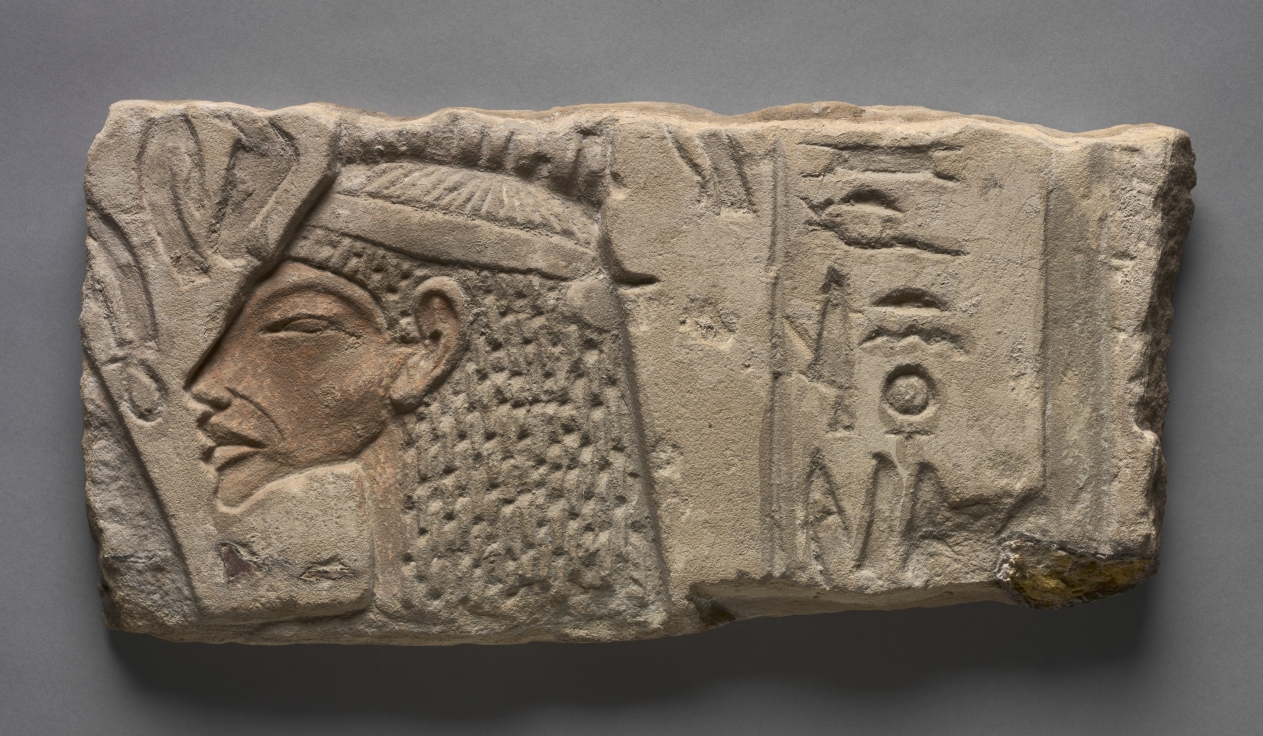
A Cleveland Museum of Art talatat, accession 1959.186, shows Nefertiti offering to the Aten. It is a painted sandstone block from Karnak dated to Akhenaten's reign. The museum photograph is the evidence. This page does not retell the royal family beyond those two sources.
Museum objects
Reviewed Open Access works. Public domain. Captions name title, accession, and museum.
In practice
Reflect on how Aten's domains (sun, Akhetaten) show up in your own life. What would it mean to honor this deity's pattern through a single honest action today?
Frequently asked questions
- Who is Aten in Egyptian mythology?
- Solar disk with rays ending in hands. Akhenaten founded Akhetaten as the Aten's cult home. The British Museum overview says the cult faded after his death.
- What domains is Aten associated with?
- Aten is associated with sun, Akhetaten, kingship.
- What symbols represent Aten?
- Common iconography for Aten includes sun disk, rays ending in hands.
- What role does Aten play in Egyptian religion?
- The British Museum's schools overview describes the Aten as a solar god, often a sun disk whose rays end in hands, and as a giver of life, light, energy, and food.