Lintel depicting Horus offering an ankh sign to the Horus name of King Amenemhat I
The Metropolitan Museum of Art · 08.200.6 · public domain
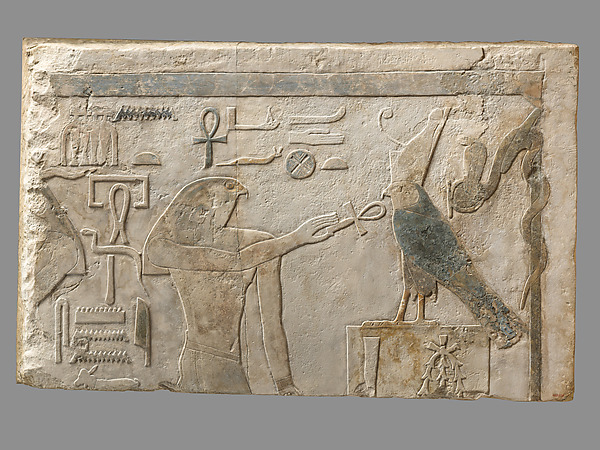
Relief, temple of Amenemhat I: Lintel depicting Horus offering an ankh sign to the Horus name of King Amenemhat I. Accession 08.200.6 at The Metropolitan Museum of Art. Middle Kingdom, Dynasty 12, ca. 1981–1952 BCE. Medium: Limestone, paint. Public domain Open Access record with credit line and museum link. Free on Serpent Earth.
- Object type
- Relief, temple of Amenemhat I
- Period
- Middle Kingdom · Dynasty 12 · ca. 1981–1952 BCE
- Medium
- Limestone, paint
- Credit line
- Rogers Fund, 1908
- License
- CC0 (public domain)
View at The Metropolitan Museum of Art
These records come from museum Open Access programs (CC0 / public domain). Serpent Earth hosts them as a teaching commons and does not claim ownership. We are not affiliated with The Metropolitan Museum of Art or The Cleveland Museum of Art.
Frequently asked questions
- Where is Lintel depicting Horus offering an ankh sign to the Horus name of King Amenemhat I held?
- The Metropolitan Museum of Art lists this work as accession 08.200.6. Serpent Earth links to the museum's canonical object page and does not claim ownership.
- Is the image of Lintel depicting Horus offering an ankh sign to the Horus name of King Amenemhat I public domain?
- Yes. This snapshot row passed a public-domain or CC0 gate and includes a museum image URL. License on this site: CC0. Credit: Rogers Fund, 1908.
- What period is Lintel depicting Horus offering an ankh sign to the Horus name of King Amenemhat I?
- Museum metadata for this record: Middle Kingdom, Dynasty 12, ca. 1981–1952 BCE. Empty or varying fields follow the museum record, not invented dates.